

The 2024 and 17th edition of the World Hand Washing Day celebrated on 15th October was an occasion for stakeholders to hold commemorative activities. During the event that took place at the conference hall of the Immaculate Conception Building in Bamenda, focus was laid on the importance of hand hygiene as a critical aspect of infection prevention. It equally aimed at educating and empowering communities especially children, through enhanced knowledge and capacity building.
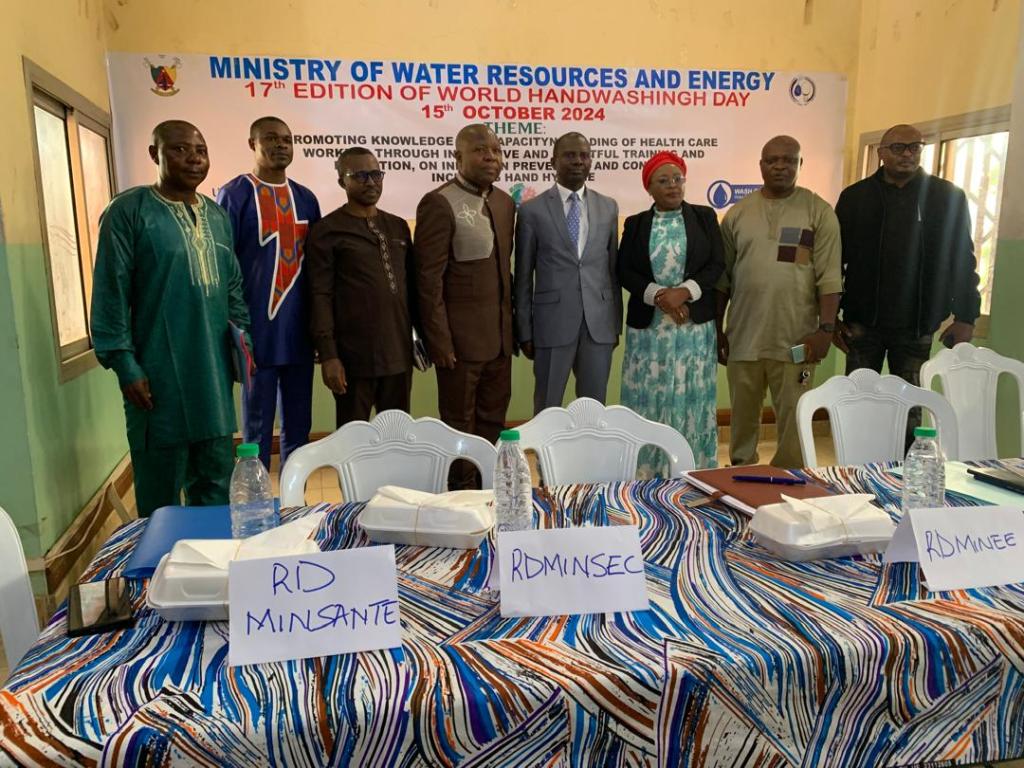
The North West Regional Regional Delegate of the Ministry of Water Resources and Energy in a welcome note emphasized the significance of the Global Hand Washing Day and highlighted the importance of hand washing and hand hygiene to our health. He said the day serves as a powerful reminder of one simple act that could save lives (hand washing). He called on all to unite in making hand washing a routine for everyone every day.
On his part, the Governor’s representative laid emphasis on the practice of hand washing and sanitation in protecting ourselves and our community from infectious diseases.
The WASH Cluster Co-lead; Sustainable Development and Humanitarian Service (SUDAHSER) for the North West Region, presented the historical background of the Global Hand Washing Day. The day was initiated in August 2008 in Sweden with the 1st edition holding in Cameroon on October 15th, 2008. He also informed that the WASH Cluster was later created in 2018 by UNICEF to manage WASH related activities in the Region. In his message, he further emphasized the need for hand washing with soap and water to better protect ourselves and prevent infectious diseases.

The celebration caught a breather with series of quizzes presented to the primary and secondary schools present at the event. While NRC ran the quiz for the pupils, COMINSUD handled the same task for the secondary schools.
A total of 7 schools participated in the event (three primary schools and four secondary schools). These students together with their accompanying teachers received educative talks on proper hygiene practices with focus on hand washing steps. The steps for Effective Hand Washing were dished out by a representative from the regional delegation of public health thus:
- First, wet your hands with clean water.
- Then Apply soap and lather well.
- Scrub all parts of the hands for at least 20 seconds.
- Rinse hands thoroughly under clean running water.
- Lastly, Dry hands using a clean towel or air dry them.
Furthermore, some Key Situations for which Hand Washing is required were said to be:
- After using the toilet.
- Before preparing or eating food.
- After sneezing or coughing.
- After touching their face or any potentially contaminated surfaces
Overall, it was agreed that hand hygiene should always be performed always and as often as we are exposed to situations that we can contact and transmit infections.
Ten questions were administered orally to the participants and the scores tallied with Government Primary School Old Town emerging first in the primary division and Baptist Comprehensive College Nkwen emerging first in the secondary division.
All winners/winning schools were awarded prizes based on their performance. Their gifts comprised of WASH kits made up of:
- Buckets for water collection.
- Soaps to encourage regular hand washing.
- Packs of Pens for educational purposes.
The occasion held under the theme “Promoting Knowledge and Capacity Building of Health Care Workers through Innovative and Impactful Training and Education on Infection Prevention and Control, Including Hand Hygiene”.
 Community Initiative for Sustainable Development