

In regions plagued by conflict, the vulnerability of communities escalates dramatically, leading to widespread homelessness, violence, and the urgent necessity for humanitarian aid. The Danish Refugee Council (DRC) recognizes the critical importance of providing protection and support to these communities. March 3rd and 4th , 2025, DRC hosted a comprehensive training session focusing on various aspects of protection in humanitarian contexts at their office in Bamenda, North West region of Cameroon.

The workshop, facilitated by Tim Linsel and Kinfer Cyril a protection specialist with DRC and project coordinator of COMINSUD respectively, aimed to equip participants with essential skills and knowledge to enhance their effectiveness in responding to vulnerable populations. Participants made up of 14 individuals from two implementing partners of the First Line Local Assistance for Swift Humanitarian Response (FLASH) project: the Community Initiative For Sustainable Development (COMINSUD) and the Green Partners Association (GPA). Each partner group comprised six staff. The two organization, working with DRC are committed helping communities in the Northwest region though focused on Momo and Bui Divisions.
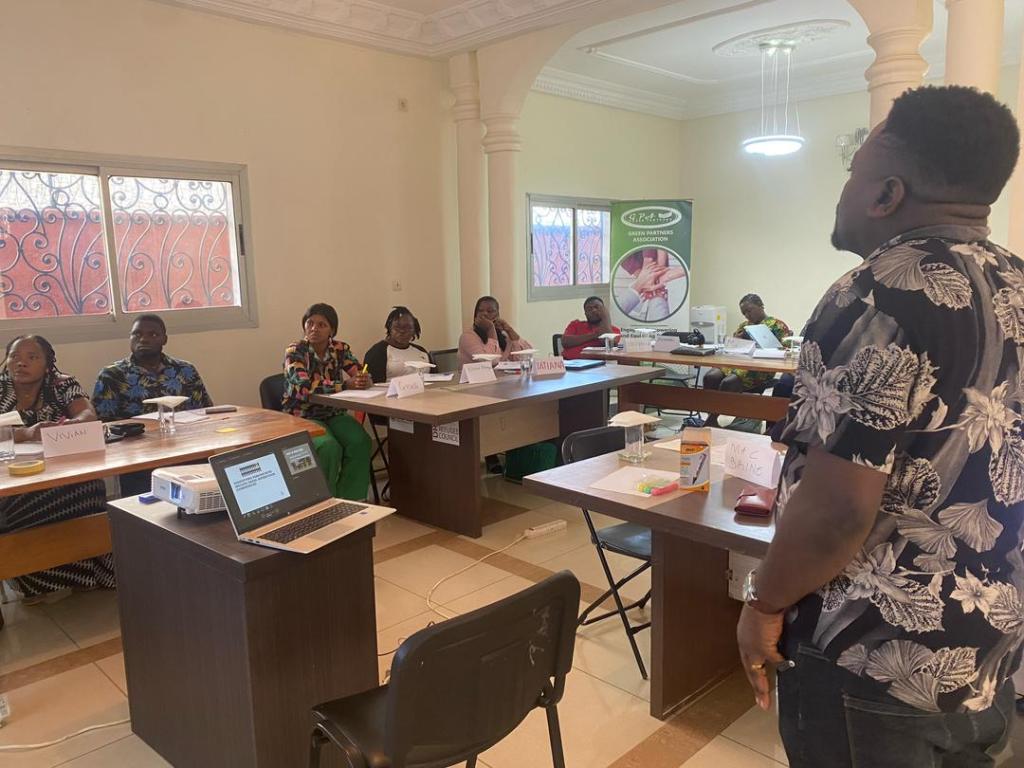
the training session focused on protection responses and emphasized the significance of humanitarian principles. A comprehensive definition of protection was given as all activities aimed at obtaining full respect for the right of the individual in accordance with the letter and the spirit of the relevant bodies of Law ( Human right laws, humanitarian and refugee laws etc). Human rights was defined as basic rights and freedom that belong to every person in the world, from birth until death which are based on shared values defined and protected by Law. She made participants understand the core principles of protection is to prevent, respond and remedy a situation fostering a conducive environment to respect for the rights of individuals in accordance with relevant bodies of law. Protection can be legal, physical, psychosocial Support Community Empowerment, sexual and Gender-Based Violence (SGBV) Prevention, child Protection etc. Participants engaged in practical exercises that encouraged them to apply their newly acquired knowledge. One exercise involved identifying a specific community in either the MOMO or Bui Divisions, assessing the violations these communities experienced, and outlining their pressing needs. This group activity fostered collaboration and critical thinking, allowing participants to draw from their own experiences and insights. They then developed actionable plans to effectively respond to the identified needs, simulating the real-world challenges humanitarian workers face in the field.

Also, participants were enlightened on protection monitoring, identifying protection risks and vulnerabilities within communities, and advocating for child protection, community-based protection, and age and gender diversity mainstreaming in humanitarian efforts.
Protection monitoring was said to be the systematic and regular process of gathering, protecting, and analyzing information regarding the protection environment, alongside the risks faced by individuals and communities.

Kinfer Cyril shared key principles of protection monitoring, emphasizing the importance of ensuring informed concern and confidentiality, accuracy, being people-centered and inclusive, credibility and verifiability, and sensitivity in all actions aimed at protecting communities. Participants were encouraged to consider varied approaches to protection monitoring and the different forms that such monitoring can take. Gender-based violence (GBV) was also a high point were participants engaged in intensive group work to identify the root causes, enablers, and effects of GBV within their communities. This hands-on activity facilitated deep discussions and fostered a collective learning environment, culminating in group presentations that showcased diverse perspectives and insights. the facilitator introduced the concept of child protection, defining it as the prevention of and response to abuse, neglect, exploitation, and violence against children. The module included an in-depth explanation of the strategies necessary to uphold child protection standards in humanitarian settings.
Overall, the workshop was deemed a success, with participants displaying high levels of enthusiasm toward the material covered. As the FLASH project progresses, the training sessions are recognized as vital for building response capacity within local organizations. By equipping partners with essential skills and fostering a community-centered approach to protection, DRC is paving the way for more effective humanitarian interventions.
 Community Initiative for Sustainable Development