

From April 9 to April 11, 2025, the Danish Refugee Council (DRC) organized an intensive three-day training workshop focused on Monitoring, Evaluation, Accountability, and Learning (MEAL). The event took place at the DRC Office in Bamenda, located in the North West Region of Cameroon. This training was designed specifically for staff members from the Community Initiative for Sustainable Development (COMINSUD) and Green Partner Association (GPA), in alignment with the implementation of the First Line Local Assistance for Swift Humanitarian Response (FLASH) project.

Facilitated by Tamnjong Evert Nkengafac, MEAL Team Leader for DRC, the training aimed to enhance technical proficiency in MEAL practices while emphasizing the crucial role that monitoring, evaluation, accountability, and learning play throughout the project cycle management. The sessions focused on strengthening participants’ understanding of project design and implementation, data collection methods with population on constant movement, data quality assurance, fostering greater accountability to affected populations, FCRM and promoting the use of structured project management tools to improve data collection, decision-making, and information management.
The first day began with an engaging activity titled “MEAL Puzzle Race,” which served as a warm-up for participants and set the tone for interactive learning. Participants explored the fundamental concepts of MEAL, with an emphasis on how each component contributes to the effectiveness of humanitarian programming. A key area of focus was the integration of MEAL across the project cycle, which was explained through the four essential phases. During the Design Phase, participants learned how to formulate clear objectives, choose appropriate indicators, and develop realistic work plans. The Implementation Phase was discussed in the context of aligning execution with planned activities while remaining flexible to necessary adjustments. In the Monitoring and Evaluation Phase, attention was given to the importance of data collection and analysis to assess project progress and inform stakeholders. The Learning Phase highlighted the value of documenting successes and challenges, drawing lessons from experience, and using this knowledge to enhance future interventions.
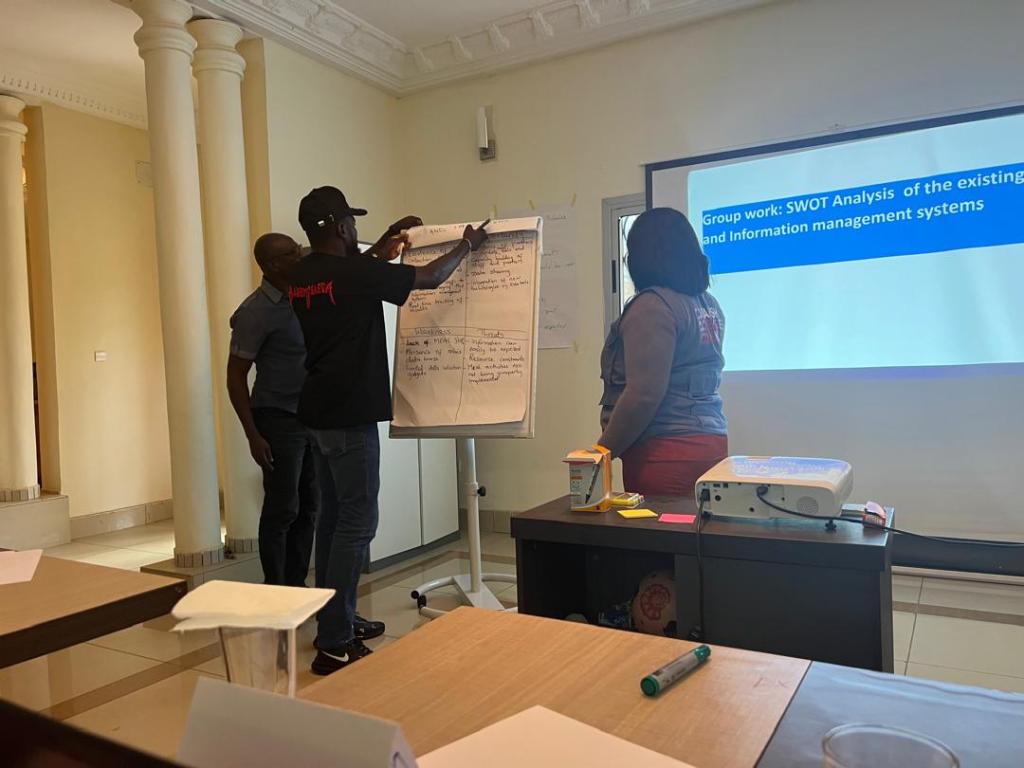
A major topic of discussion during the first day also included data collection methods tailored to the context of populations on the move. This was coupled with a comprehensive session on data quality assurance, emphasizing the importance of accuracy, timeliness, consistency, and reliability. Participants examined ethical issues and standards surrounding data management and protection, particularly the need for confidentiality and the safeguarding of sensitive information.
On the second day, the focus shifted to Accountability to Affected Populations (AAP), reinforcing the core humanitarian principle that those impacted by crises are not merely recipients of aid but active stakeholders with the right to be informed, participate in decisions, and provide feedback. Participants explored the three pillars of AAP: taking account, giving account, and being held to account. These discussions underscored both the ethical responsibility and the practical benefits of involving communities in the design and implementation of humanitarian responses. As part of the session, participants developed Accountability Plans that demonstrated how they would ensure inclusive community participation, particularly for vulnerable groups, and guarantee access to clear and timely information.

This was followed by a detailed exploration of Feedback, Complaint, and Response Mechanisms (FCRM). Participants were introduced to the structure and objectives of FCRM as a vital system for community members to express concerns or dissatisfaction regarding humanitarian services. Best practices were shared for receiving feedback, ensuring that all responses are handled constructively, and maintaining the confidentiality and dignity of those submitting complaints. The session reinforced the importance of ensuring that complaint mechanisms are not only available but also safe, accessible, and culturally appropriate.
The final day of the training centered on the introduction and application of the Project Management Tool (PMT), a practical framework designed to help partners monitor project progress in real time. The PMT was suggested as a valuable resource for organizing project indicators, tracking deliverables, and maintaining alignment with project objectives. Through hands-on exercises, participants applied their new knowledge in realistic scenarios, practicing how to build a PMT to improve transparency, efficiency, and responsiveness in project implementation.
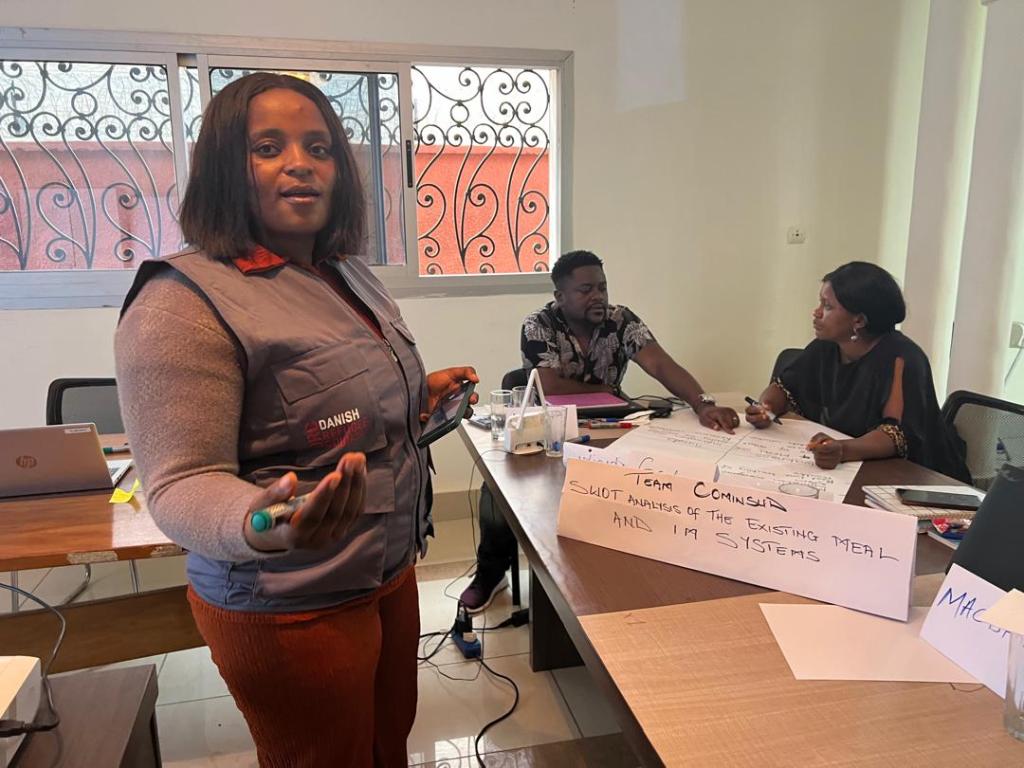
Overall, the MEAL training delivered by DRC was highly impactful. It succeeded in equipping the staff of COMINSUD and GPA with critical skills and methodologies needed to elevate the quality of humanitarian programs. By focusing on accountability, structured data collection, participatory feedback systems, and continuous learning, the training promoted a more inclusive and results-driven approach to humanitarian response. This initiative reflects DRC’s broader commitment to empowering local actors, enhancing collaboration with communities, and ensuring that humanitarian aid in Cameroon’s North West Region remains effective, respectful, and accountable to those it serves.
 Community Initiative for Sustainable Development