

Humanitarian response is primordial in conflict situations just like the exiting one in the Northwest and Southwest regions of Cameroon. From April 22 to 26, 2025, the Danish Refugee Council in collaboration with the CALP regional office, the National and Regional CWG in Cameroon facilitated by the DRC’s CALP certified trainer carried out a 5-day training on CORE Cash Voucher Assistant (CVA) SKILLS FOR PROGRAM STAFF. Being the first of such training organized in the NW region and initially planned for partners implementing its First Line Local Assistance for Swift Humanitarian Response (FLASH) project (Community Initiative For Sustainable development (COMINSUD) and Green Partners Association (GPA)), other actors like NRC, TEENALIVE, CHOSODEC, and GRC where opportune to take part after a rigorous selection process coordinated by the National and Regional CWG of Cameroon. Using the core training material from CALP, all six thematic areas were covered with participants attesting to the practicalities, collaborative and fully contextualized examples of scenarios shared during the training.
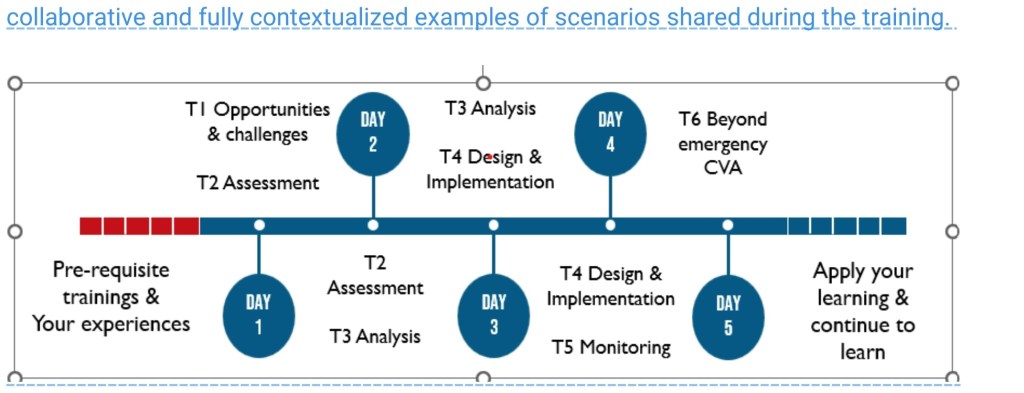
The shift towards the Cash First approach and the desire to ensure more assistance reaches the vulnerable beneficiaries, proper knowledge on the situational analysis for the implementation of CVA is vital for the proper implementation of the FLASH project. It is in this light that the training was organized bring both humanitarian and development actors together giving them appropriate skills on core CVA concepts and implementation strategies.
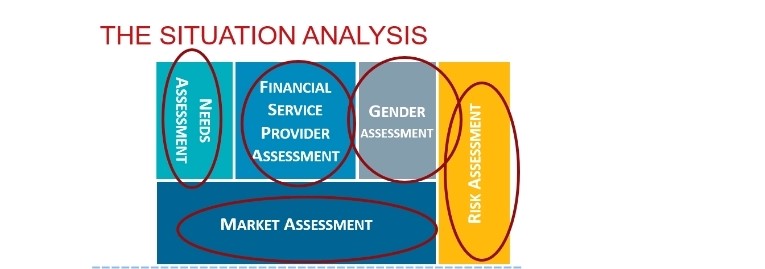
The training dwelled on several fundamental aspects of CVA which involved CVA and Market Analysis where participants explored the significance of understanding market dynamics before launching CVA programs including understanding beneficiary needs, feasibility of the use cash and/or vouchers, assessing market functionality, , and identifying potential risks associated with cash transfers. Also, it looked at market mapping which emphasized the importance of visualizing market systems and delivery mechanisms throwing light on various methods of delivering cash and vouchers like mobile money transfers and voucher systems. Again, it dwell on design and implementation looking at practical steps for implementing CVA programs, including targeting beneficiaries, logistics planning, and ensuring accountability to affected populations and risk management which emphasized importance of identifying potential risks such as fraud, inflation, and security challenges.
Participants engaged in exercises that helped them identify key market stakeholders, analyze relationships between the stakeholders, and create market system maps that illustrate the flow of goods and services, and potential regulations, assessed the advantages and challenges of each method, focusing on security, accessibility, and cost-effectiveness and efficiency. Participants were also drilled on the importance of coordination and effective partnerships with government institutions, local organizations, financial service providers and communities by creating feedback mechanisms and ensure data protection, reinforcing ethical standards in program implementation.
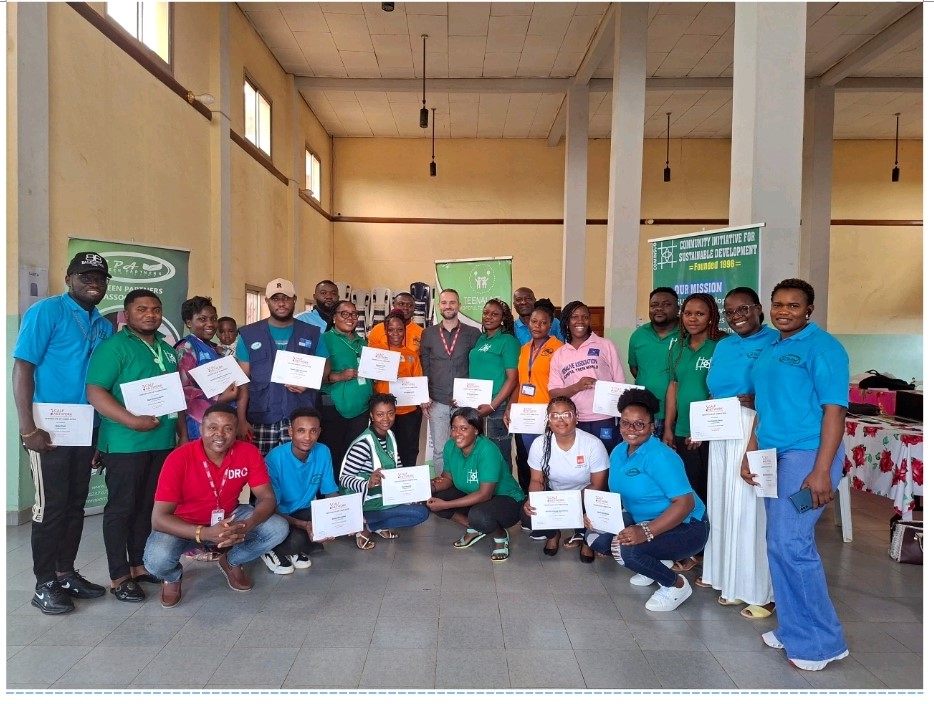
The Cash and Voucher Assistance training marked a significant step towards enhancing the capabilities of humanitarian organizations in the region. The active participation ensured that attendees were equipped with the knowledge to implement effective CVA programs. As the humanitarian landscape continues to evolve, the skills acquired from trainings like this, are expected to bolster efforts in delivering impactful assistance to vulnerable populations across the North West region of Cameroon with a focus on accountability, market analysis, and risk management.
 Community Initiative for Sustainable Development