

In Cameroon, particularly Bamenda, ongoing socio-political crises have severely affected mental health and psychosocial well-being. Prolonged conflict has led to increased trauma, anxiety, and depression among the population. Displacement, violence, and loss of livelihoods contribute to a growing need for Mental Health and Psychosocial Support (MHPSS) services. Local communities face barriers to accessing care, including stigma and limited resources. As a result, there is an urgent need for tailored MHPSS interventions that consider cultural sensitivities and community involvement to effectively support those affected by the crisis and promote resilience within the population.The capacity building workshop for Community Initiative For Sustainable Development (COMINSUD), Green partners Association (GPA) and Danish Refugee Council (DRC) staff involved in the First Line Local Assistance for swift humanitarian response ( FLASH) project sponsored by ECHO and SIDA. This workshop led by Awah Wanka, MHPSS Analyst at UNFPA, focused on the emotional and psychological impacts of crises, emphasizing the foundational understanding of Mental Health and Psychosocial Support (MHPSS). Participants explored the emotional consequences individuals face during crises, such as shock, fear, grief, anger, and feelings of guilt. These emotional challenges can lead to psychological conditions like PTSD, depression, and anxiety disorders, which can disrupt social dynamics and lead to long-term community impacts, including economic hardship and chronic mental health issues. The workshop highlighted the importance of recognizing these emotional and psychological responses to develop effective coping and recovery strategies.

MHPSS defined as a comprehensive approach to promote psychosocial well-being and prevent mental disorders through local support systems. The core principles of MHPSS, including human rights, participation, and an integrated support system, guide the interventions necessary for effective mental health care. The IASC MHPSS Intervention Pyramid emphasizes a tiered approach, from specialized mental health services to community and family support initiatives. This framework allows for tailored interventions that address the specific needs of affected populations, ensuring that support is relevant, accessible, and culturally appropriate. Group discussions underscored the importance of community involvement and feedback in assessing the needs and effectiveness of MHPSS activities.
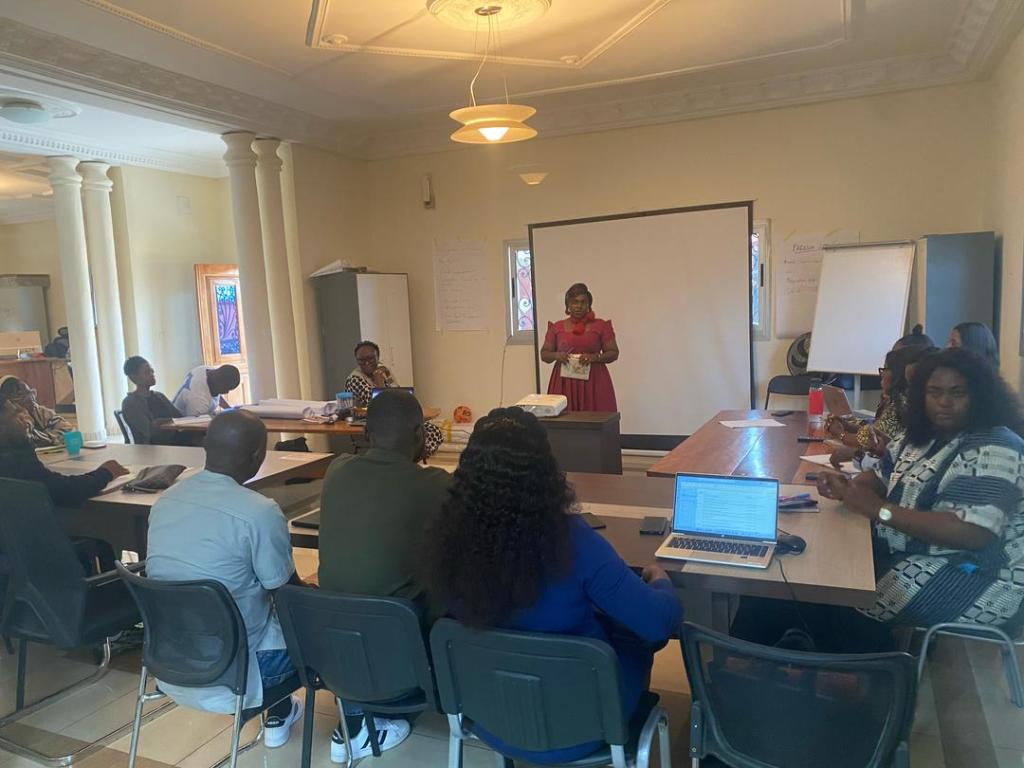
The workshop also addressed the significance of self-care and staff support in the effectiveness of MHPSS programming. High stressors, such as heavy caseloads and exposure to trauma, can lead to burnout and compassion fatigue among staff. Recognizing the signs of stress and developing individual self-care strategies are crucial for maintaining resilience and job satisfaction. Participants engaged in interactive activities to share experiences and create personalized self-care plans, emphasizing that investing in staff well-being is not only ethical but essential for sustainable MHPSS programming. By fostering a supportive work environment and promoting collective responsibility, organizations can enhance service quality and ensure that staff are equipped to provide effective support to those in distress. This training will help the implementation of FLASH project in the area of psychological support.
 Community Initiative for Sustainable Development