

In the ever-evolving landscape of humanitarian assistance, understanding the dynamics of Age, Gender, and Diversity Mainstreaming (AGDM) is crucial for effectively responding to the needs f vulnerable population. COMINSUD participated in a working session on AGDM, organized by the Danish Refugee Council (DRC) on July 24 and 26, 2025. This training, co-facilitated by the Coordination Unit of Person with Disabilities (CUAPWD) and the DRC National protection coordinator, aimed to deepen participants understanding on key concepts surrounding AGDM and their interconnections. Humanitarian assistance must consider the diversity background and needs of individuals, including their age, gender, ethnicity and disabilities. This helps to foster an inclusive environment, and ensures that all voices are heard and interventions are tailored to effectively address the unique challenges faced by different groups of persons.
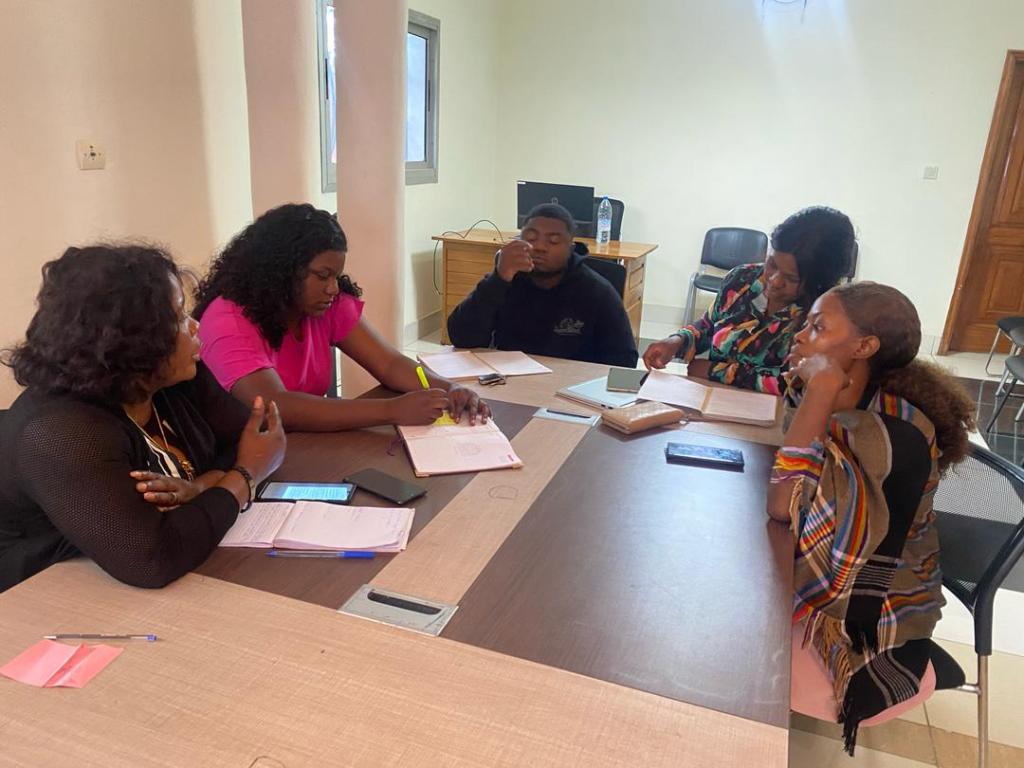
A component of the training was understanding disability and the specific needs of individuals living with disabilities. There was discussion on the importance of removing barriers that impede access to essential services and ensuring that humanitarian responses are inclusive. This fosters the culture of inclusivity and responsiveness. This knowledge is timely in the implementation the First Line Local Assistance For Swift Humanitarian Response (FLASH) project in the North West Region of Cameroon implemented by DRC, COMINSUD and GPA sponsored by the European Humanitarian Aid (ECHO) and Swedish International Development Cooperation (SIDA).
 Community Initiative for Sustainable Development