
Through continuous capacity building, COMINSUD remains committed to ensuring that every intervention delivered in communities through Community Focal Persons produces verifiable results and contributes to improved well-being for vulnerable populations in the North West Region.
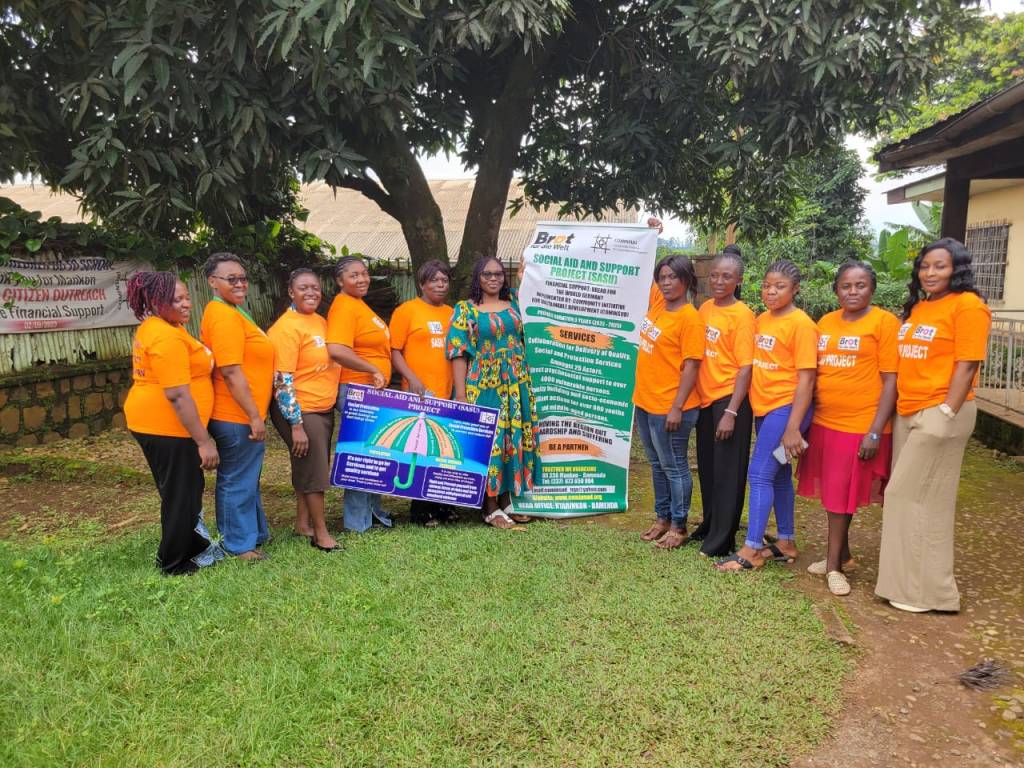
COMINSUD, in collaboration with ZAATI Consultancy Services, strengthened the capacities and skills of Community Focal Persons within the context of the Social Aid and Support Project (SASU), funded by Bread for the World Germany. Participants were drawn from 8 council areas, including Widikum, Belo, Batibo, Ndop, Njinikom, Mbengwi, and Bamenda III, in the North West Region. The workshop took place from 5–6 August 2026 at the COMINSUD Head Office. For two days, participants were drilled on accurate data collection, results-based approaches, and reporting within the framework of the Social Aid and Support Project (SASU), funded by Bread for the World.
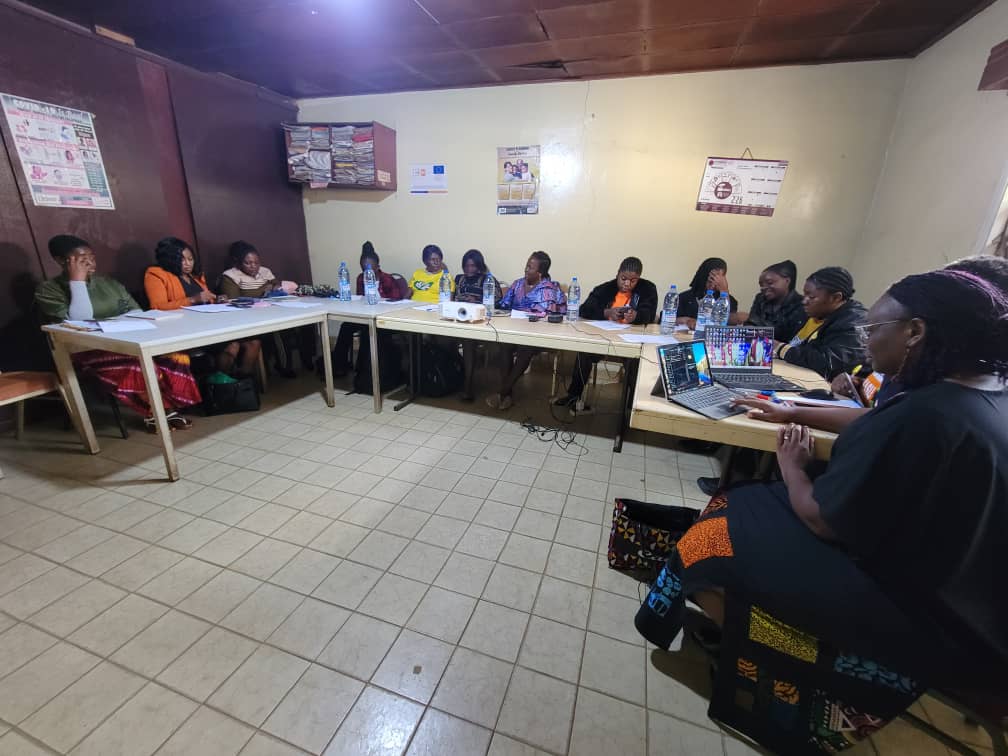
Participants were also taken through a refresher on the objectives of the SASU Project, with practical demonstrations on how to collect meaningful, quality data that directly aligns with project objectives, indicators, and expected outputs. A major focus was placed on sensitization as a strategic tool for change and an entry point for carrying out other activities within the project, including PSS and referrals, among others. It was emphasized that effective sensitization goes beyond information sharing. It involves imparting knowledge and teaching practical skills that influence attitudes and behaviour. Focal Persons were urged to prepare content in advance for every sensitization activity and to ensure that each activity is clearly linked to the project document. This, it was noted, guarantees relevance, consistency, and measurable results.
In response to feedback from Focal Persons, the workshop also featured a review and improvement of the reporting and follow-up tools used in the field. The updated tools are designed to make data capture simpler, more accurate, and better aligned with Bread for the World reporting requirements. By the end of the training, participants were better equipped to collect accurate and timely data from communities, apply results-based approaches in daily project implementation, align sensitization activities with project goals, and use improved tools for credible and consistent reporting.

